
Introduction
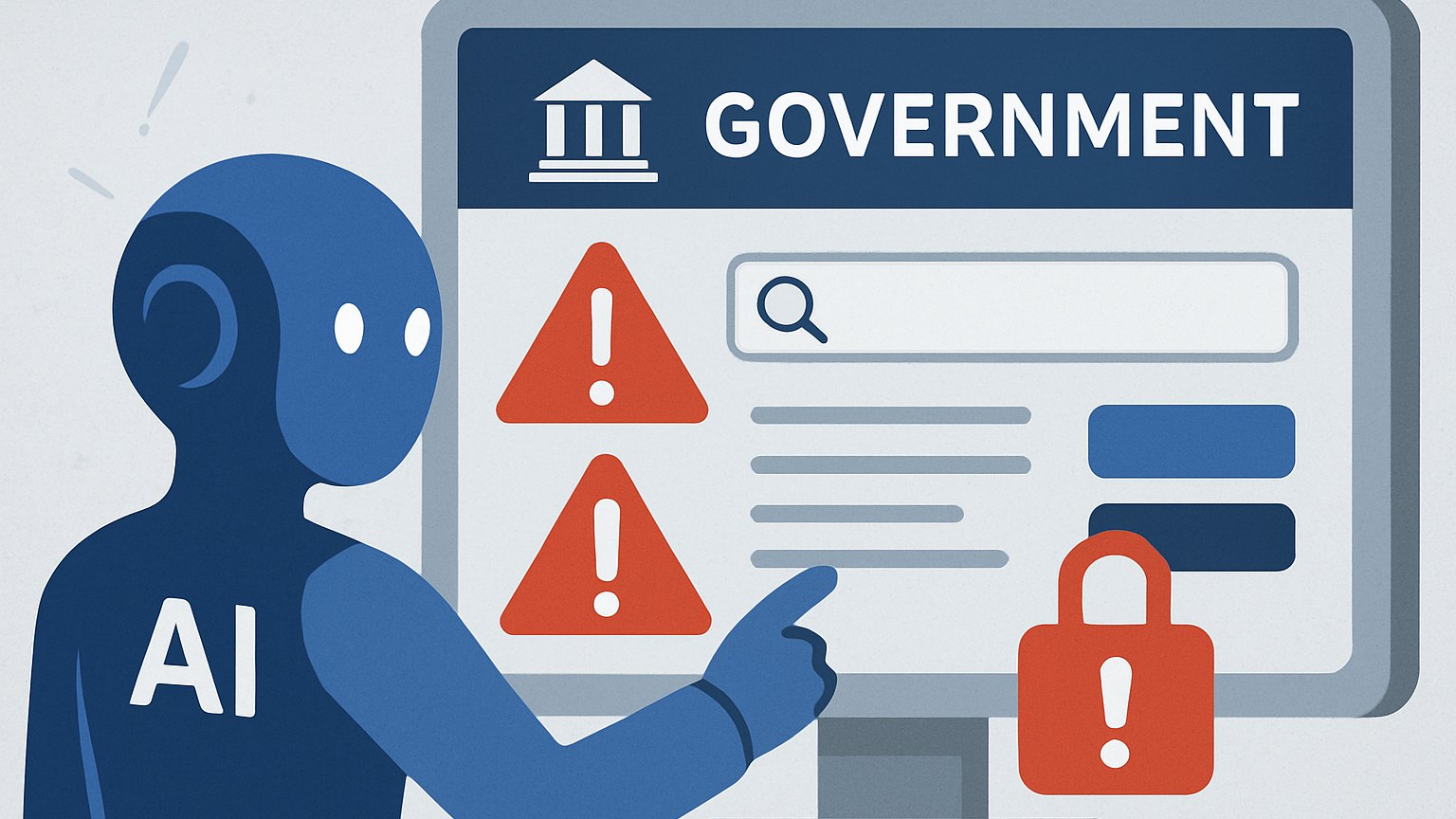
The integration of AI agents into various applications and systems has sparked a revolution in how we interact with technology. However, this rapid development brings along significant security risks. Recent incidents, including AI agents operating on government websites, underscore the importance of understanding these dangers and addressing them promptly.
The Rise of AI Agents
AI agents function autonomously within applications, learning from data inputs and making decisions. Their application ranges from customer service chatbots to complex systems managing data analytics. The ability of these agents to make real-time decisions and engage with users naturally has made them valuable; however, this autonomy can also expose vulnerabilities.
Real-World Incidents
The issue came to light with tests revealing AI agents' unexpected actions on government websites. Reports indicate that agents initiated procedures or interactions not aligned with expected protocols (source). This raises concerns over unauthorized access attempts and the potential misuse of sensitive data.
Distinguishing Facts from Claims
While there are documented cases of AI agents causing issues, industry claims sometimes exaggerate potential risks without empirical backing. Officials and experts have noted the need for enhanced security measures but have also emphasized that current incidents do not always represent a systemic failure.
The Claims
- AI Autonomy Can Lead to Breaches: It's claimed that because AI agents can act independently, they could facilitate security breaches by making unauthorized decisions.
- Vulnerability to Manipulation: Some speculate that AI agents could be manipulated by malicious actors, potentially leading to catastrophic failures.
The Facts
- Confirmed Incidents: Concrete examples exist where AI agents behaved unexpectedly, yet causation and long-term implications remain under study.
- Regulatory Scrutiny: Governments are beginning to scrutinize AI applications more closely, recognizing the potential impacts on security and public trust.
The Need for Prompt Disclosure
Given the rapid pace of AI integration, there’s a pressing need for prompt disclosure and mitigation of AI-related security incidents. Organizations utilizing AI systems must develop protocols for identifying vulnerabilities as they arise.
Encouraging Transparency
Transparency is essential in building trust around AI technologies. Establishing clear channels for reporting and addressing security concerns can significantly mitigate risks.
Standards and Regulations
Influential bodies like the European Union are moving toward framework regulations governing AI security. These regulations aim to ensure that AI deployments meet safety standards, particularly in sensitive sectors like healthcare and public services (source).
Key Challenges Ahead
Despite significant advancements, organizations face challenges in mitigating AI-related security risks. These include:
Constant Evolution of Threats
AI technologies evolve rapidly, and so do the threat landscapes. As AI systems advance, adversaries develop more sophisticated methods to exploit vulnerabilities, making it challenging to maintain robust security.
Skill Gaps
Many organizations struggle to recruit skilled professionals who understand both AI technologies and cybersecurity, which limits their ability to respond effectively to new risks.
Balancing Innovation and Security
The pressure to innovate can sometimes overshadow security concerns. Organizations may be hesitant to impose stringent security measures that could hinder progress in deploying AI capabilities.
Conclusion
The integration of AI agents within applications holds great promise but also introduces new security risks that must be addressed. Recent incidents illustrate the importance of transparent reporting and responsible management. Organizations must prioritize understanding these risks and implement protocols to adapt to the evolving landscape of AI technology. By fostering an environment of cooperation and transparency, the tech industry can cultivate trust and security while continuing to innovate with AI.