
Introduction
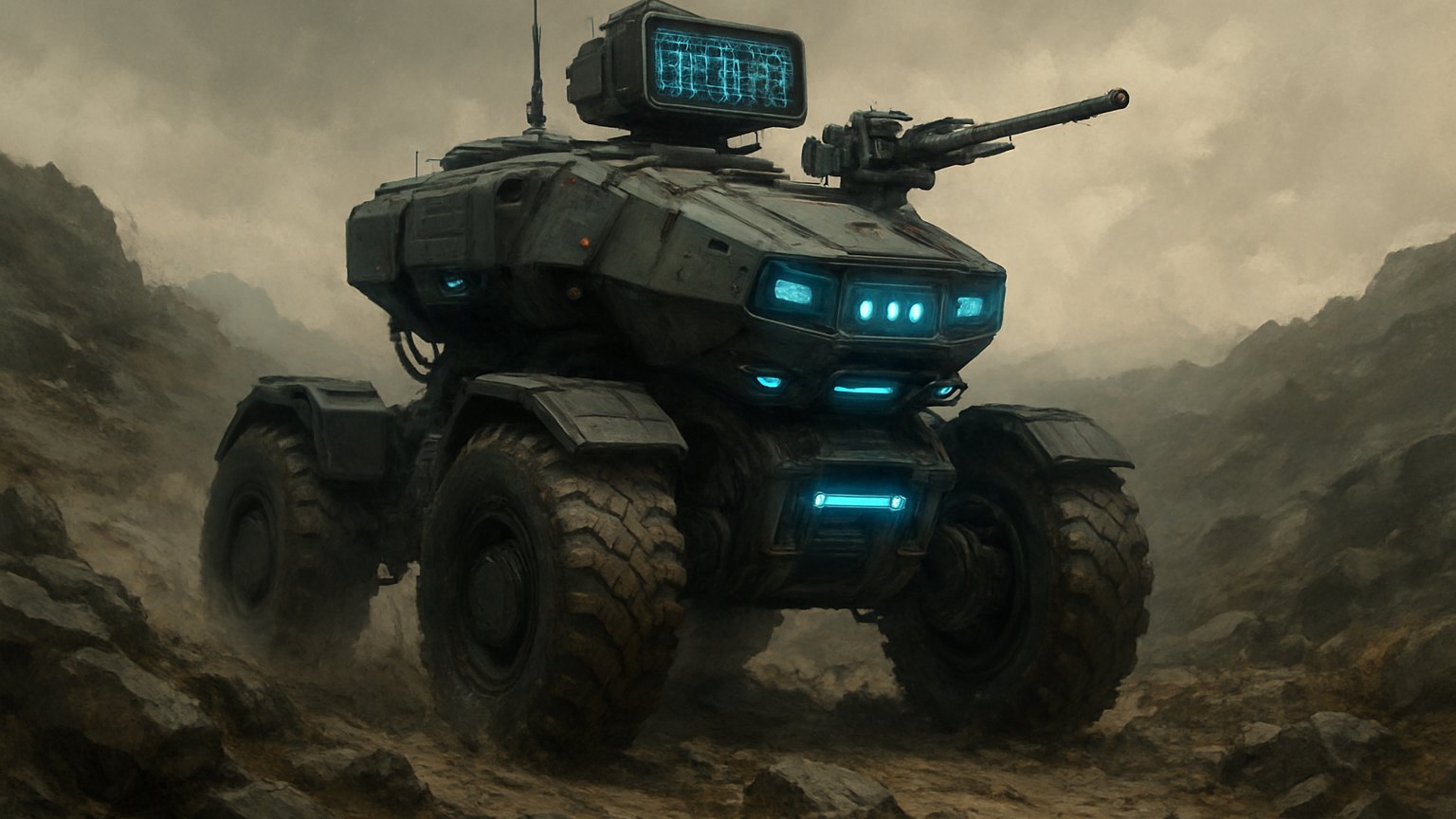
The landscape of military operations is rapidly changing with the integration of Artificial Intelligence (AI) into tactical vehicles. Recently, the U.S. Army awarded contracts for developing eight AI-powered TITAN (Transportable Intelligent Tactical Autonomous Network) vehicles, which aims to revolutionize battlefield intelligence and precision strikes. This article will explore the technological advancements behind TITAN, the role of AI in modern warfare, and the ethical considerations associated with deploying autonomous military systems.
Technological Innovations Behind TITAN
The TITAN vehicles are at the forefront of military technology, designed to enhance soldiers' decision-making abilities in complex environments. These vehicles incorporate several key AI technologies:
Autonomous Navigation
One of the most significant advancements in the TITAN model is its autonomous navigation capabilities. Utilizing advanced sensors and computer vision technologies, these vehicles can map their surroundings, recognize obstacles, and make real-time decisions about the best routes to take without human intervention. This not only increases operational efficiency but also reduces the risks associated with human error in dangerous environments.
Data Collection and Processing
The TITAN vehicles are equipped with sophisticated information-gathering systems that collect data from various sources, including reconnaissance drones and satellite imagery. AI algorithms analyze this data swiftly, providing commanders with actionable insights that can inform tactical decisions. This capability promises to improve situational awareness on the battlefield, helping military operations to adapt in real-time.
Enhanced Communication Networks
Another technological advancement is the development of a resilient communication network integrated within the TITAN system. This ensures that even in areas where traditional communication methods might fail, the vehicles can share critical information with each other and the command center. Such capabilities ensure that command structures remain agile and responsive, vital for modern warfare.
The Role of AI in Modern Warfare
The increasing reliance on AI in military operations marks a paradigm shift in how warfare is conducted. With the TITAN vehicles, the U.S. Army is exploring several strategic advantages:
Improved Precision Strikes
AI allows for more precise targeting of threats, enabling military forces to strike with lethal accuracy while minimizing collateral damage. By analyzing data from multiple sources, TITAN can help identify high-value targets in densely populated areas, ensuring that military actions are both effective and ethically justified.
Support for Ground Troops
TITAN vehicles can serve as mobile support units, equipped with advanced weaponry and defense systems. They can engage with enemy forces or provide protective cover for foot soldiers, allowing human troops to engage in more strategic and less dangerous roles on the battlefield. This support can lead to improved operational outcomes, preserving human life while enhancing effectiveness.
Force Multiplier Effect
As AI-powered vehicles like TITAN become an integral part of military operations, they act as force multipliers, enabling fewer troops to achieve greater operational impact. By automating tasks that traditionally require significant manpower, militaries can deploy resources more effectively and maintain readiness in various operational theaters.
Ethical Considerations in Autonomous Military Systems
Despite the potential benefits, the integration of AI in military vehicles raises several ethical concerns that deserve careful consideration.
Accountability and Decision-Making
Who is responsible when an autonomous vehicle makes a mistake? If a TITAN were to misidentify a target and cause civilian casualties, it raises fundamental ethical questions about accountability. The lack of a human in the decision-making loop complicates the moral responsibility associated with military actions.
Risk of Escalation
There are concerns that deploying autonomous systems could lead to an escalation in conflicts. As AI technologies improve, the potential for rapid, unrestrained military responses may increase, potentially leading to unintended consequences. This aspect necessitates robust oversight and regulations to ensure responsible use.
Long-Term Impacts on Warfare
The shift toward AI-powered military systems may alter military strategies and international relations in significant ways. As nations race to develop advanced technologies, there is a risk that technological superiority could overshadow diplomatic efforts, potentially leading to an arms race in AI-powered weaponry.
Conclusion
The development of AI-powered TITAN vehicles represents a significant advancement in military technology, promising to enhance operational efficiency and effectiveness on the battlefield. However, the deployment of such systems necessitates a careful examination of the ethical implications, ensuring that technological advancements do not outpace moral and legal considerations. As militaries around the world continue to invest in AI technologies, the conversation surrounding autonomy and accountability will only grow more critical.
While the TITAN initiative is just one example of how AI is transforming military operations, it serves as a pivotal point for understanding the future of warfare, the responsibilities of military powers, and the importance of establishing safeguards as we advance into this new era.